
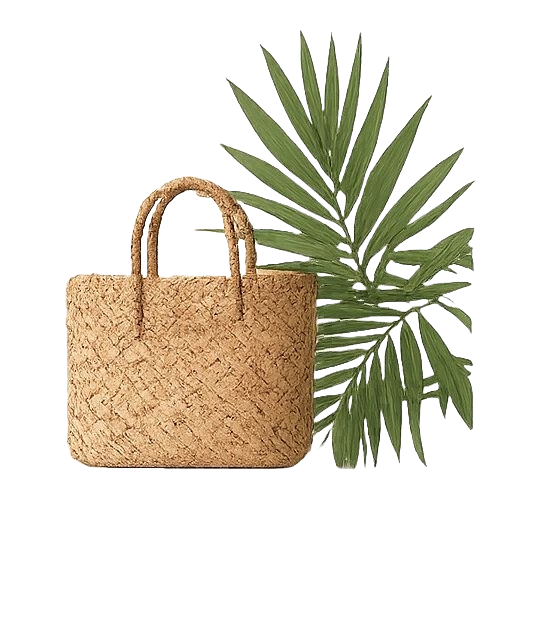
There is no machinery humming in the background. No conveyor belt, no assembly line, no sterile silence of a factory floor. In the atelier where Adele Dejak's jewelry is born, what you hear instead is the rhythmic percussion of a hammer against brass, the hiss of a soldering iron, and, underneath all of it, quiet conversation in Kikuyu between craftspeople who have worked side by side for years.
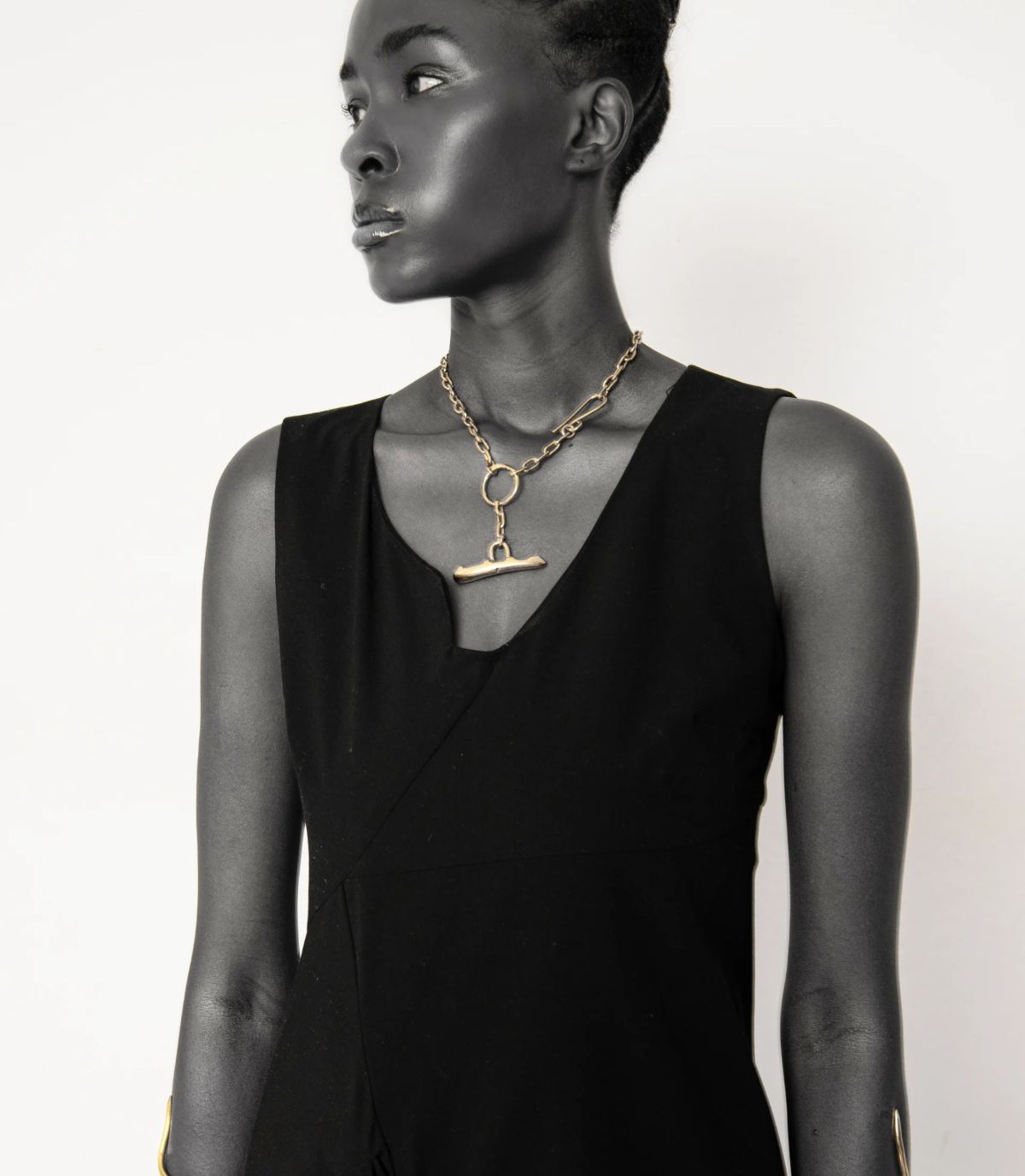
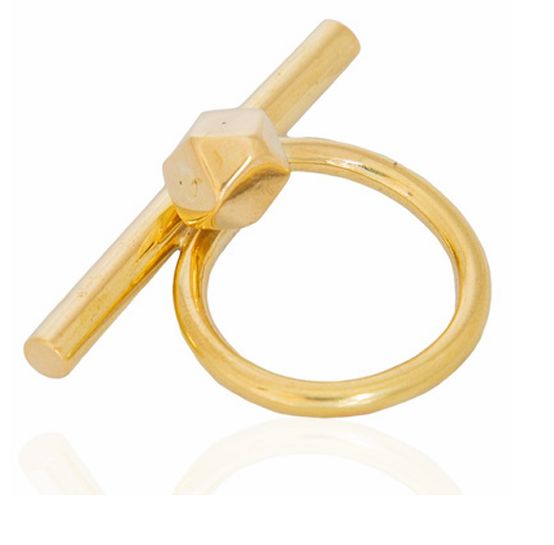
Adele Mbadon Dejak founded her brand more than two decades ago with a conviction that felt almost contrarian at the time, that Kenya's creative traditions did not need to be diluted for a Western audience, but rather elevated, given the same stage that Italian or French luxury houses commanded. The pieces she designs, oversized chains, sculptural rings, necklaces that catch light like ancient currency, are unmistakably African in their sensibility, and unmistakably modern in their confidence.
The process begins long before metal is touched. Adele sketches obsessively in notebooks, on napkins, on the margins of receipts from Nairobi's Marikiti market, where she still sources some of her raw materials. A shape will live in her sketchbooks for months before she allows it to move to prototyping. The Mila Necklace, for instance is one of the atelier's most beloved pieces, went through eleven iterations over the course of a year before she considered it finished.
What strikes you most, watching the team work, is the absence of haste. Each piece is handled as though it is the only thing being made that day. The lost wax casting, the filing, the polishing, every stage is an act of attention. Low stock is not a marketing tactic here. It is simply the arithmetic of craft, there are only so many hours in a day, and only so many hands willing to do the work with this degree of care.
Get the best of Afrikart

Related Blogs
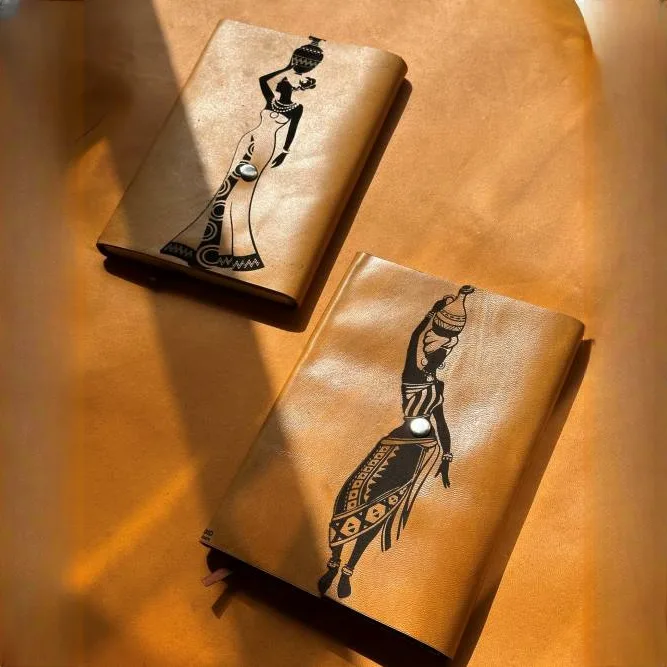
For the stories still to be written.
Leather journals where modern design meets a love of craftsmanship.
Read More →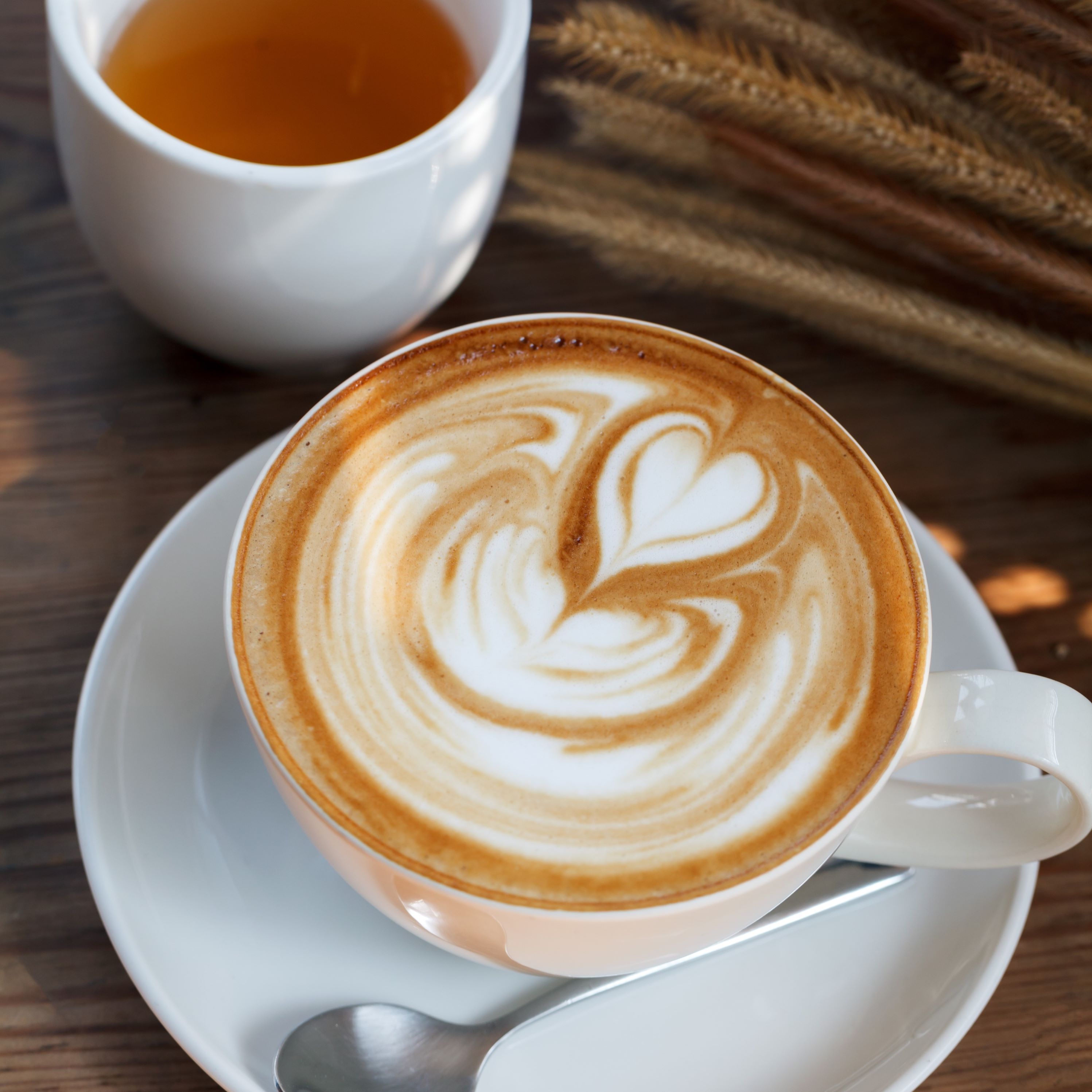
A slower morning. A better beginning.
A good cup, a quiet moment, and a ritual that feels like yours.
Read More →
A cup with its roots intact.
A coffee brand putting origin, craft and the people behind a cup into the pictur...
Read More →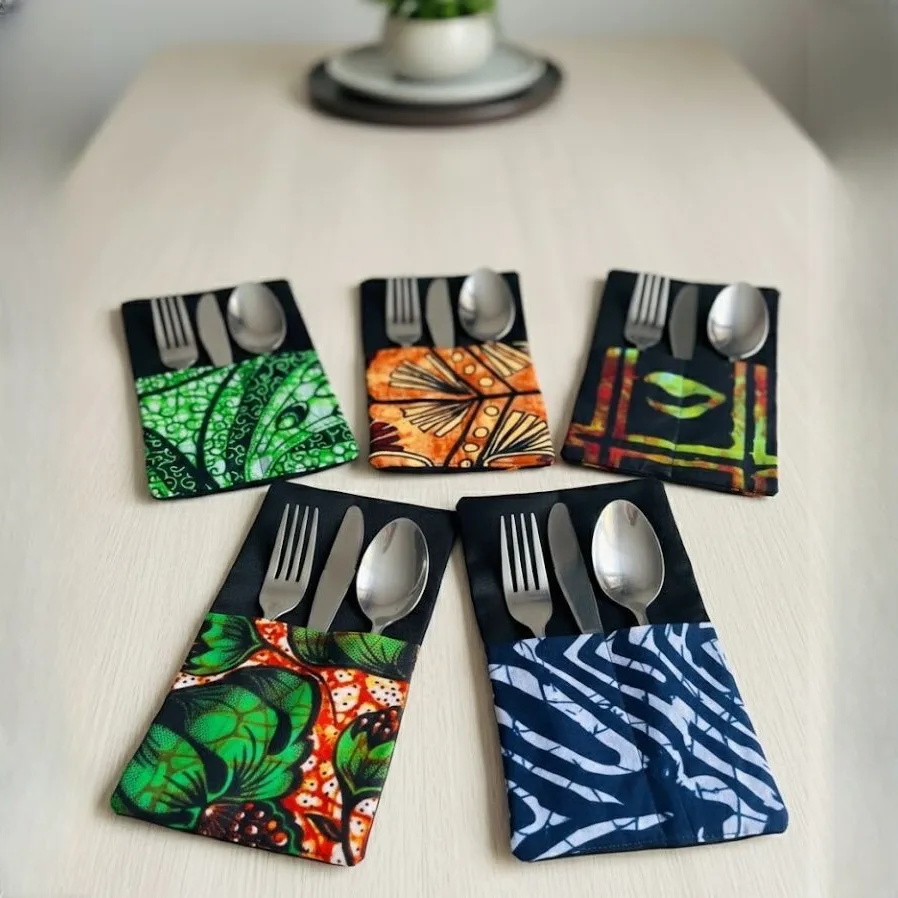
Set a table that feels like you.
Bring colour, texture and a little personality to the everyday table.
Read More →